
Whole-Home Renovation Planning for Greater Boston Homes


A whole-home renovation is one of the most important projects a homeowner can take on. It can improve layout, function, comfort, storage, natural light, finishes, and the way different parts of the home work together. For Greater Boston homeowners, a whole-home renovation often means updating an older property while preserving the character that makes the home feel established.
A successful whole-home renovation is not only about renovating one room at a time. It requires a clear plan for layout, structure, mechanical systems, materials, sequencing, budget, and daily function. When the planning is thoughtful, the finished home can feel more cohesive, comfortable, and built around the way the family actually lives.
Start With the Overall Vision
Before focusing on individual rooms, start with the overall vision for the home. The goal may be to create a more open layout, improve natural light, update finishes, add storage, modernize kitchens and bathrooms, or make the home feel more connected.
A whole-home renovation should solve larger problems, not just refresh surfaces. Understanding the main goals early helps guide decisions about walls, circulation, room connections, materials, and priorities.
Review the Existing Structure and Systems
Older Greater Boston homes may have framing, insulation, plumbing, electrical, HVAC, or moisture issues that affect the renovation plan. Before finalizing design decisions, it is important to understand what is happening behind the walls, floors, and ceilings.
A whole-home renovation is often a good time to update systems that may be difficult to access later. Addressing these items during the project can improve comfort, safety, efficiency, and long-term durability.
Plan the Layout Around Daily Life
Layout is one of the biggest parts of a whole-home renovation. The way people move through the house affects how comfortable and functional the home feels.
This may include improving the connection between kitchen, dining, and living areas, creating better entry storage, adding a mudroom, improving bedroom privacy, updating bathrooms, or creating a stronger indoor-outdoor connection.
The best layout decisions come from understanding how the family lives every day.
Coordinate Kitchens, Bathrooms, and Shared Spaces
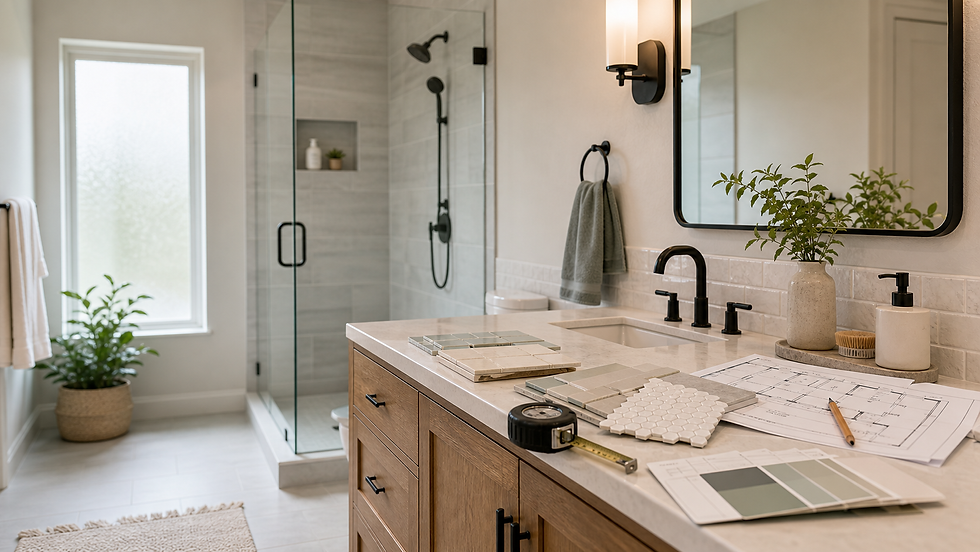
Kitchens and bathrooms often drive major renovation decisions because they involve plumbing, electrical work, cabinetry, tile, fixtures, lighting, and finish coordination. But they should not be planned in isolation.
A whole-home renovation should look at how these rooms connect to hallways, living areas, bedrooms, storage zones, and exterior access. When kitchens, bathrooms, and shared spaces are planned together, the home feels more cohesive.
Choose Materials That Feel Connected
Material selection plays a major role in whole-home renovation. Flooring, trim, cabinetry, tile, paint, hardware, lighting, doors, and millwork should feel connected from room to room.
This does not mean every space has to look the same. A good renovation can include variety while still feeling intentional. Repeating certain tones, textures, profiles, or finish details can help the home feel unified.
Think About Construction Sequencing
Whole-home renovations require careful sequencing. Demolition, framing, rough plumbing, electrical, HVAC, insulation, drywall, flooring, cabinetry, tile, painting, and finish work all need to be coordinated.
Sequencing is especially important if the homeowner plans to live in the home during part of the renovation. Dust control, temporary access, site protection, and schedule planning should be discussed early.
Build in Flexibility for Existing Conditions
Existing homes can reveal surprises during renovation. Hidden framing issues, old wiring, plumbing conditions, uneven floors, moisture damage, or previous work may not be fully visible until the project begins.
A strong renovation plan includes flexibility for these discoveries. This does not mean the project should feel uncertain. It means the budget, schedule, and decision-making process should allow for realistic adjustments when needed.
Work With a Builder Early
A whole-home renovation involves design choices, structural planning, trades, materials, permits, scheduling, and detailed coordination. Bringing a builder into the process early helps align the vision with construction realities.
At WOW Construction, we help homeowners plan whole-home renovations with both design and buildability in mind. We look at layout, systems, materials, sequencing, site conditions, and long-term use so the finished home feels cohesive, functional, and carefully built.
Planning a Whole-Home Renovation in Greater Boston?
WOW Construction works with homeowners across Greater Boston and nearby Massachusetts communities on whole-home renovations, kitchens, bathrooms, additions, custom homes, and design-build projects. If you are thinking about renovating your home, we can help you plan the next step with care.


Comments